



Association for Multisite Research Corporations (AMRC)
ow many times have we heard that there’s a ceiling to the speed of clinical trial delivery? “Move too fast, and we put the fundamentals at risk.”
Recent analysis suggests that performance doesn’t have to be negatively correlated with speed. If trial performance is supported at an operational level by infrastructure and training, high-quality trials can be delivered safely, consistently, and quickly.
Evidence from Operational Performance
An analysis conducted by the Association for Multisite Research Corporations (AMRC), in partnership with an unnamed top-five pharmaceutical company, compared the performance of multisite clinical research corporations (MCRCs) to that of other site types.
AMRC defines MCRCs as site networks operating at scale, comprising at least five sites and with a primary commercial focus on clinical trial delivery. The assessment looked at US-based trials, comparing the performance of AMRC member sites (MCRCs) to all other site types used in the studies.
The data showed that MCRC sites moved from Final Protocol to Site Ready 65 days faster than other site models. The transition from Site Ready to first subject in (FSI) was also shorter, at 57 days compared with 87 days.


Quality as a System-Level Outcome
In October 2025, AMRC released proprietary research that showed MCRCs performed among the best of the site models on the measures that sponsors and CROs say they value most: speed, consistency, and efficiency. MCRCs were particularly associated with greater consistency, faster start up, scalable infrastructure, and access to diverse patient populations—arguably the most important factors in site selection.
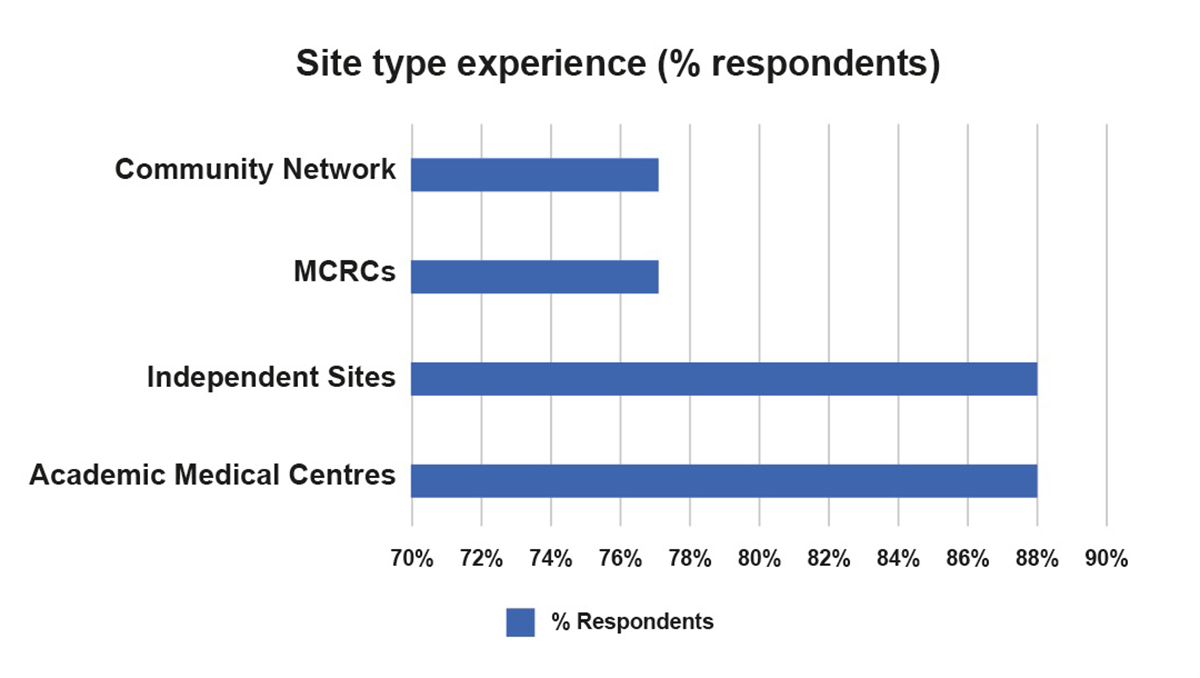
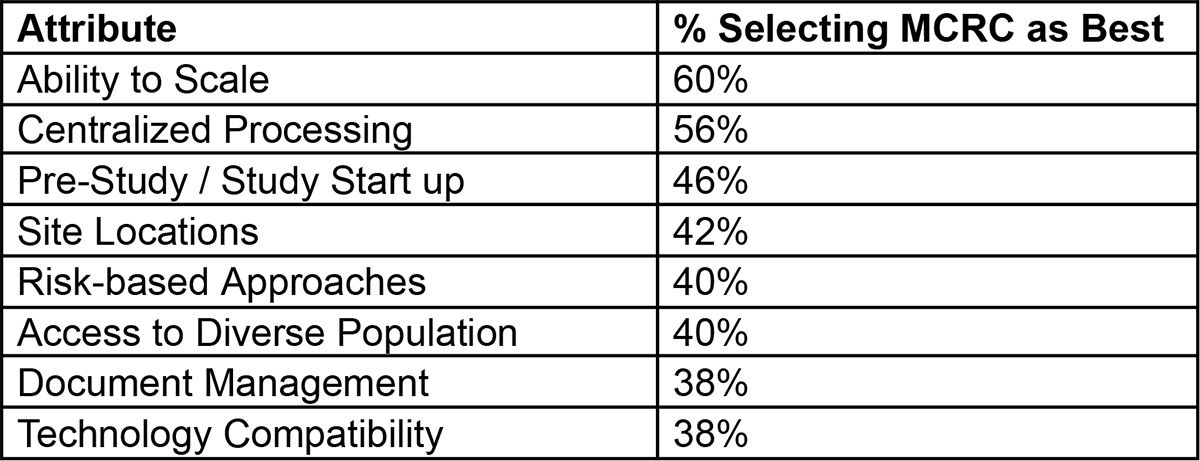
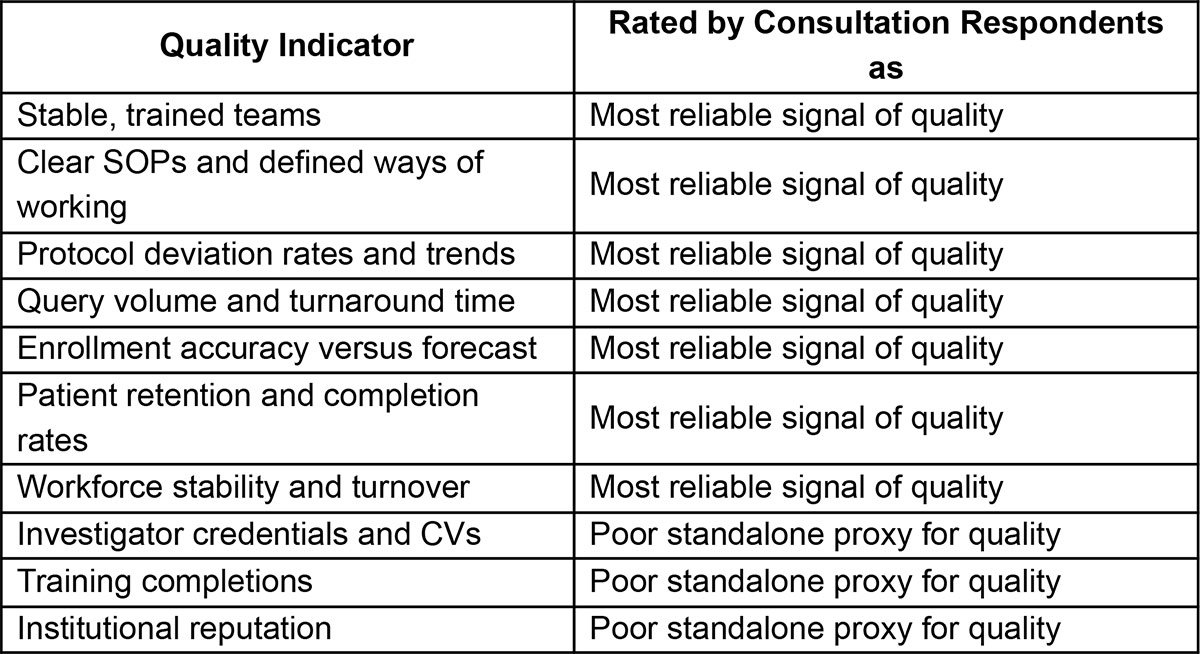
In the consultation, site respondents all attributed performance to the environment in which trials are delivered, placing importance on stable teams, clear processes, and defined ways of working. They saw operational indicators such as protocol deviations, query timelines, enrollment accuracy, and stable teams as the most reliable signals of quality.
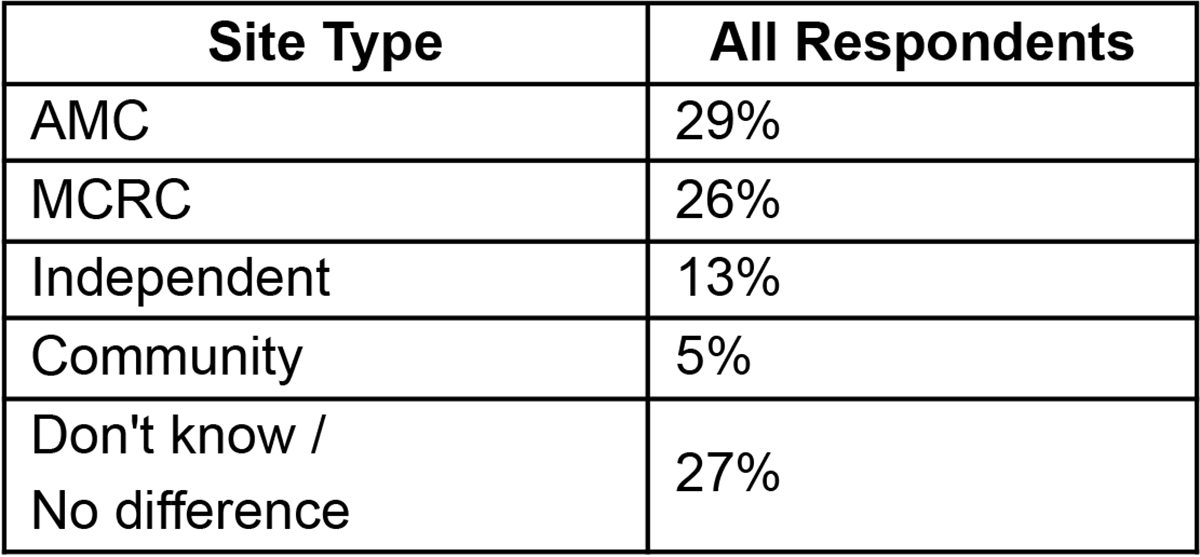

The most obvious example of this is the value placed on individual Principal Investigators (PIs), with sites arguing that site selection teams place too much relevance on individual PI resumes, while sponsors and CROs cite PI experience as key measures.
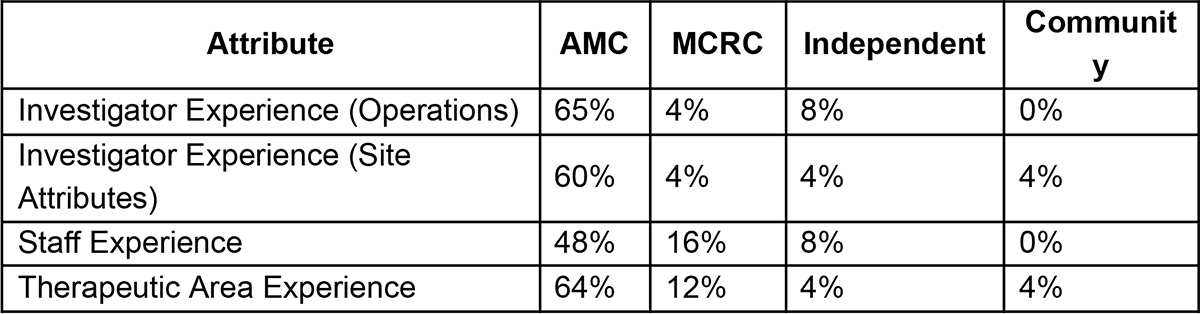
Questions of quality are often framed around personal experience or ownership models. In practice, they come down to consistency of execution and accountability. Trial providers that cannot deliver reliable outcomes cannot expect to sustain long-term partnerships, regardless of how they are structured.
Why System-Based Delivery Changes Outcomes
The systems that exist in MCRCs don’t just benefit PIs. The performance advantages observed in the MCRC comparison with other site types reflect the infrastructure common to these networks.
Centralized processes change how studies are delivered in practice. Start-up, recruitment, and performance management are coordinated across a network, rather than handled in isolation, with shared data, clear targets, and specialist oversight.
This tends to remove variation and is reflected in shortened timelines and how quickly deviations are spotted and addressed. The shorter cycle times in the comparison data are a result of a more controlled method for delivering trials, not sites pushing themselves to a breaking point to move faster.
Rethinking Definition of Quality
This analysis highlights how out of step quality measures are with how they’re expressed in delivery. MCRC sites can deliver more quickly while maintaining comparable and, in some areas, slightly stronger operational outcomes. Yet, these differences are not always reflected in how sites are evaluated.
In practice, site selection always involves a balance of speed, quality, and cost. Investment can accelerate timelines, but only when it is directed toward the factors that actually influence delivery, such as start-up time, patient recruitment and retention, minimal deviations, and fast query resolution.
Reassessing how quality is defined and measured is a practical next step for our industry. A move away from proxy indicators, such as PI experience, toward performance measures that demonstrate how a trial is delivered will not only speed up clinical trials but will also support greater consistency and more informed decision-making for site selection teams.
MCRCs have shown that a systematic approach to delivery, supported by the right infrastructure and operating models, can improve how trials are executed. The result is faster, more consistent delivery that supports the quality outcomes Sponsors and CROs ultimately depend on.