



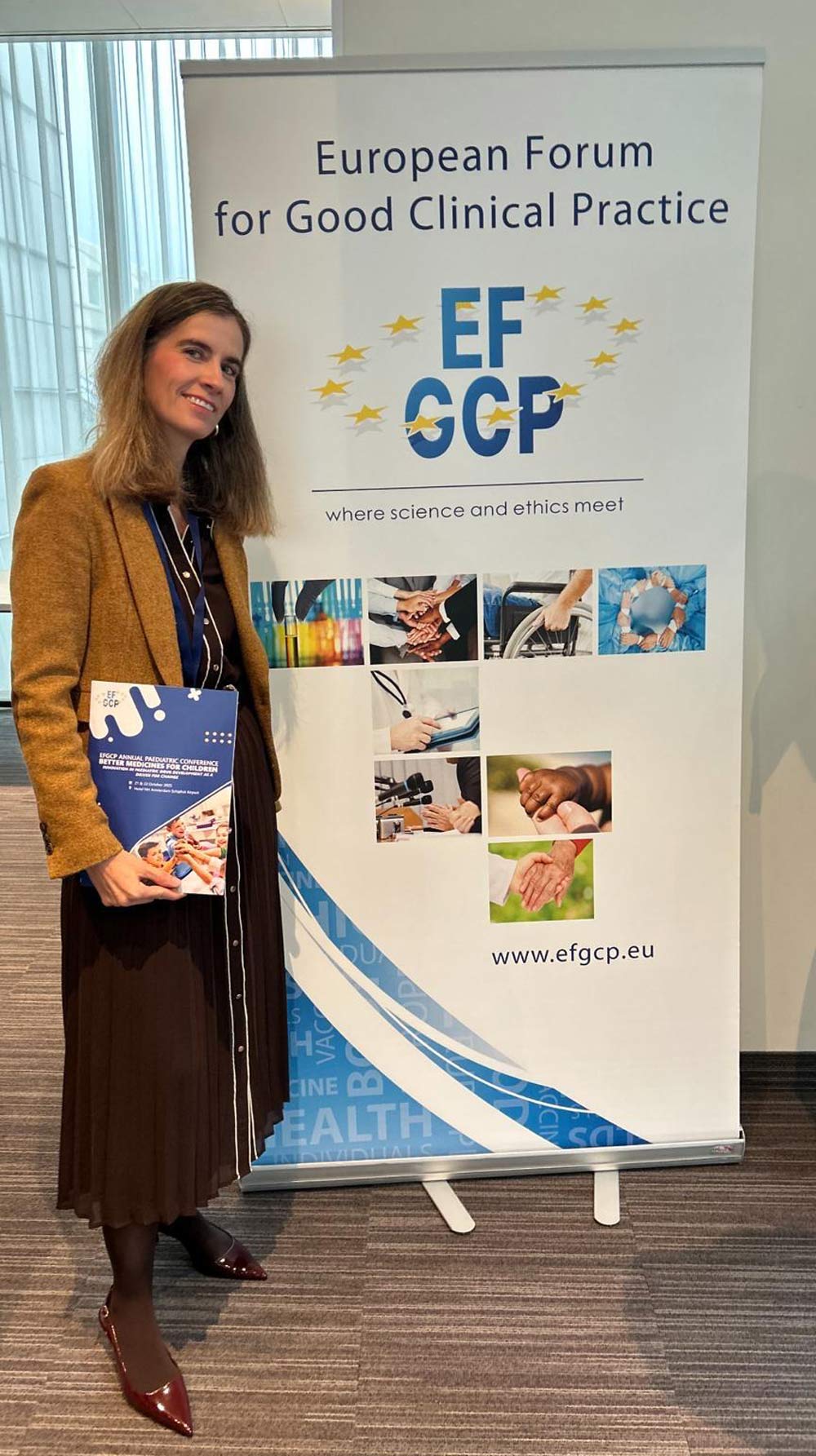
oday, I am not here as a scientist or clinician; I am here as a parent. I am the mum of Lucía, a 10-year-old girl from Barcelona living with an ultrarare, degenerative condition with no approved treatment. And my experience has taught me something I want to say very clearly: Including children and families in the design of clinical trials is not a courtesy; it is a scientific, ethical, and human necessity.
Why the Voices of Children and Parents Matter
When we received Lucía’s diagnosis—Batten disease, CLN5 variant, an inherited, progressive, neurodegenerative lysosomal storage disorder—our world totally collapsed. We moved in a single day from thinking she had learning difficulties to hearing the words “fatal,” “neurodegenerative,” and “no cure.”
And suddenly, the possibility of a clinical trial became the only potential lifeline.
But enrolling a child in a clinical trial is not just a medical decision. It is a logistical, emotional, financial, educational, and family decision.
Only families can explain this reality. Without our voice, part of the trial remains blind.
Living a Clinical Trial from the Inside: What People Don’t See
I would like to explain our experience with living a clinical trial from the inside—what people don’t see. We left or had to reorganize our jobs due to moving abroad. We left our home, our country, and moved to London for eight months so that Lucía could receive an investigational gene therapy.
Inside the trial, we encountered the layers that no protocol seems to fully capture:
- Constant tests, some very hard for a child
- Long hospital days
- Severe behavioral changes as a result of treatment side effects
- Being alone in a foreign country without our social network and with minimal help
- School difficulties
- Language barriers
- And a level of emotional stress that never stops.
Our medical team was outstanding; even so, we realized something essential: Families are diverse, and their challenges vary. It’s essential to know each clinical trial participant to understand their circumstances and needs and ensure that the trial is tailored to their reality.
A clinical trial is only truly feasible if it understands the day-to-day reality of the child and the family.
And this requires asking us—and listening to us—from the very beginning.
What We Learned, and What We Think Must Change
With great respect and gratitude to everyone involved, our experience highlighted several areas where consulting families would significantly strengthen trial design. All of them share one message: Family participation improves the science.
Transparency and data sharing
Most of Lucía’s test results were not shared with her medical team at home. When we returned home, she had to repeat invasive procedures, exposing her to unnecessary risks. If families and local clinicians were consulted early, continuity of care would be safer.
Communication between trial sites and local doctors
For months, we became the messengers between London and Barcelona. Parents cannot be responsible for translating and transmitting medical decisions accurately.
Adapt Trial Burden to Real Children
Some tests were duplicated or physically tough for children like Lucía; some days were extremely long. Parents can help design schedules that are humane but still rigorous.
Protected spaces for the child during clinical interviews are essential
Lucía was present for many difficult conversations, which she often interrupted from boredom or anxiety. Holding medical interviews in a foreign language under these conditions is very hard. Children need dedicated play or support time while adults discuss medical and technical issues.
Hybrid or decentralized follow-up should be explored
Eight months abroad is extremely hard on any family. Please consider if some tests can be safely performed locally if families and sponsors collaborate.
Interpreters and support for daily life are essential
Participating in a clinical trial abroad affects every aspect of life. Families who relocate to access a clinical trial have been forced to leave their home and country to save their child’s life. Everything becomes very, very hard; it is exponentially harder in an unfamiliar language.
We need responsible communication
We learned online that the trial had been suspended.
For critical changes (pauses, suspensions, no-go decisions), families should be informed first—through direct, compassionate communication. It is not fair to not know about the clinical status directly from the investigator or sponsor. Our children are the “subjects” of the study. Participants, the primary stakeholders, should be informed first, before any public notice.
Why Consulting Parents and Children Improves Scientific Quality
Because children are the actual participants.
Because parents and caregivers know the child’s daily functioning better than anyone.
Because many trials fail not for scientific reasons, but because their design is unrealistic for families.
Including families early helps to:
- Choose endpoints that reflect real-life function
- Define tolerable testing schedules
- Anticipate recruitment barriers
- Improve adherence to study procedures and dosing, and increase patient safety
- Build trust between families, industry, and regulators.
What We Need to Move Forward
- Formal, structured participation of children and families in trial design is crucial.
- More flexible, decentralized trials, adapted to pediatric realities.
- Transparent and timely communication at every stage of the trial, not only at the beginning when you need to sign all those (extremely long) informed consent forms.
- Clinical data sharing across ALL care teams (trial teams and local care teams).
- Regulatory pathways adapted to ultrarare pediatric diseases where every month matters. Our children don’t have time to lose.
- Cross-border financial and logistical support, because families should not be excluded from a potential cure due to geography or cost.

It is science.
It is ethics.
It is efficiency.
And it is respect.
Giving a Face to What is at Stake
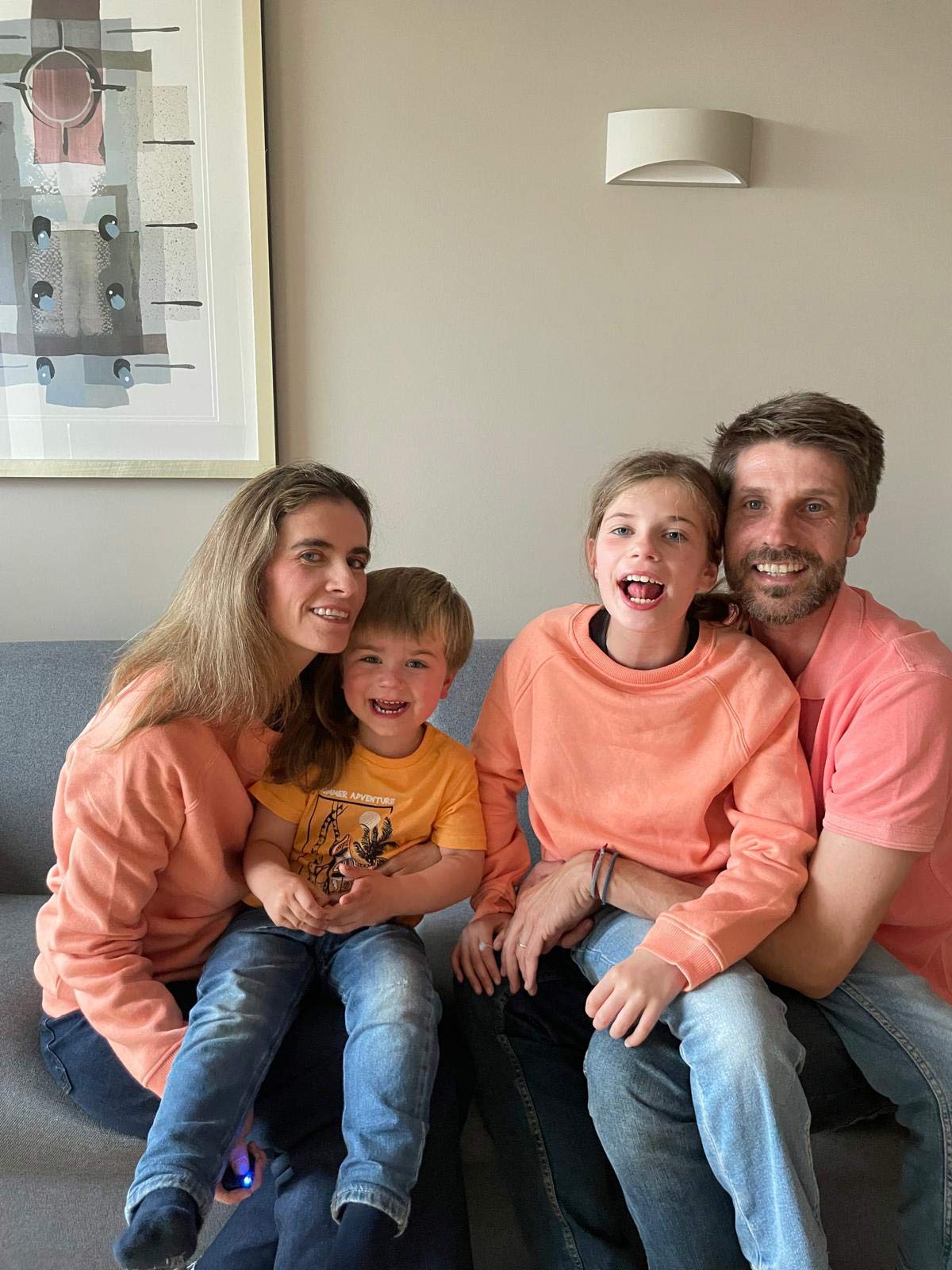
Today, Lucía still smiles.
Her laughter is the reason we fight.
And we fight not only for her, but for every child like her.
For those who cannot speak.
For those without a diagnosis.
For those without treatment.
If there is one message we want to leave you with, it is this:
Families are not an external partner in a clinical trial.
They are an essential part of it.
They bring knowledge, context, and lived experience.
And when you listen to them from the start, the trial becomes better for everyone.
No child is too rare to matter.
And no clinical trial is complete without the voice of those who live it every day.