



Drug Information Association (DIA)
iguel Romero is an MD-trained allopathic physician, board certified in family medicine, and currently works in urgent care and community clinics in Tucson, AZ (US). “This means that I deliver care in different facilities with different capacities,” he explains. “Depending on the facility, I have access to a different catalog of therapeutics that I can use based on their profile: how they’re going to help the patient or the limitations they may have.
“This theme of therapeutics is really the driving force behind why I pursued and completed DIA’s Safety and Pharmacovigilance Certificate Program and, more importantly, why I was attracted to medicine. After you understand the science, you realize that the biggest question of every clinical visit is: How will you help the patient?”
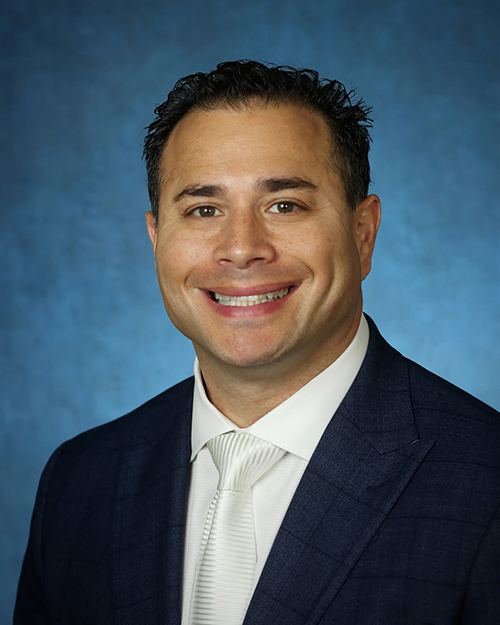
Miguel’s work and perspective were irrevocably changed by the COVID-19 pandemic. “As a medical resident, I faced a lot of clinical challenges specific to vaccines because I participated in and graduated from residency during the COVID-19 pandemic. That was humbling, and it raised a lot of questions about the safety and efficacy of therapies, specifically this new category of COVID vaccines, which were accelerated, evaluated, and approved in the US under the Emergency CARES Act.
“When I was faced with the patients’ natural adversity to receive, delay, or refuse these novel vaccines, it ignited a passion to enroll in the DIA program because it reminded me that learning the details of how safety and efficacy are evaluated for different therapeutics, including blood products and vaccines, is instrumental in communicating those risks and benefits to patients.
“The ability to communicate the risks and benefits specific to each patient, if they were or were not a good candidate and why, is one of the founding principles of medicine. This encouraged me to educate myself so that my patients have all the safety and efficacy information they need to make an informed decision for their own well-being.”
Dr. Romero is also looking forward to seeing how these lessons will help him advance scientifically and professionally in his career: “I’m applying and optimizing the science of medicine by opening my own firm to run two simultaneous career paths in parallel: clinical practice of family medicine (including obesity medicine and acute urgent care medicine) and as a director of medical safety for drugs, biologics, and devices,” he says. “This DIA platform allowed me to educate myself so that I have the knowledge I need so that if I want to transition to a new role or have two different roles in the same timeframe, I can because I’m more well-versed and educated.”
DIA’s Safety and Pharmacovigilance Certificate Program is based on the DIA Safety and Pharmacovigilance Competency Framework, developed with experts in the field who work in safety and pharmacovigilance to ensure compliance with US and EU regulations. This program provides the knowledge and skills that safety professionals need to succeed in their role, and a learning pathway that allows individuals to further develop and advance their career. Download the DIA Safety and Pharmacovigilance Competency Framework and Learning Path for more information (.pdf downloads).